



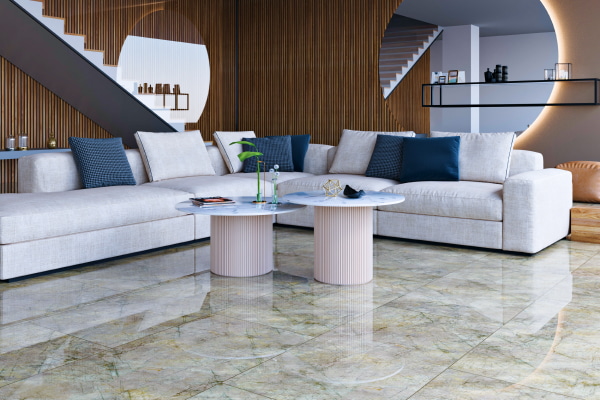

The Science of Realism: How Light and Texture Bring 3D Design to Life
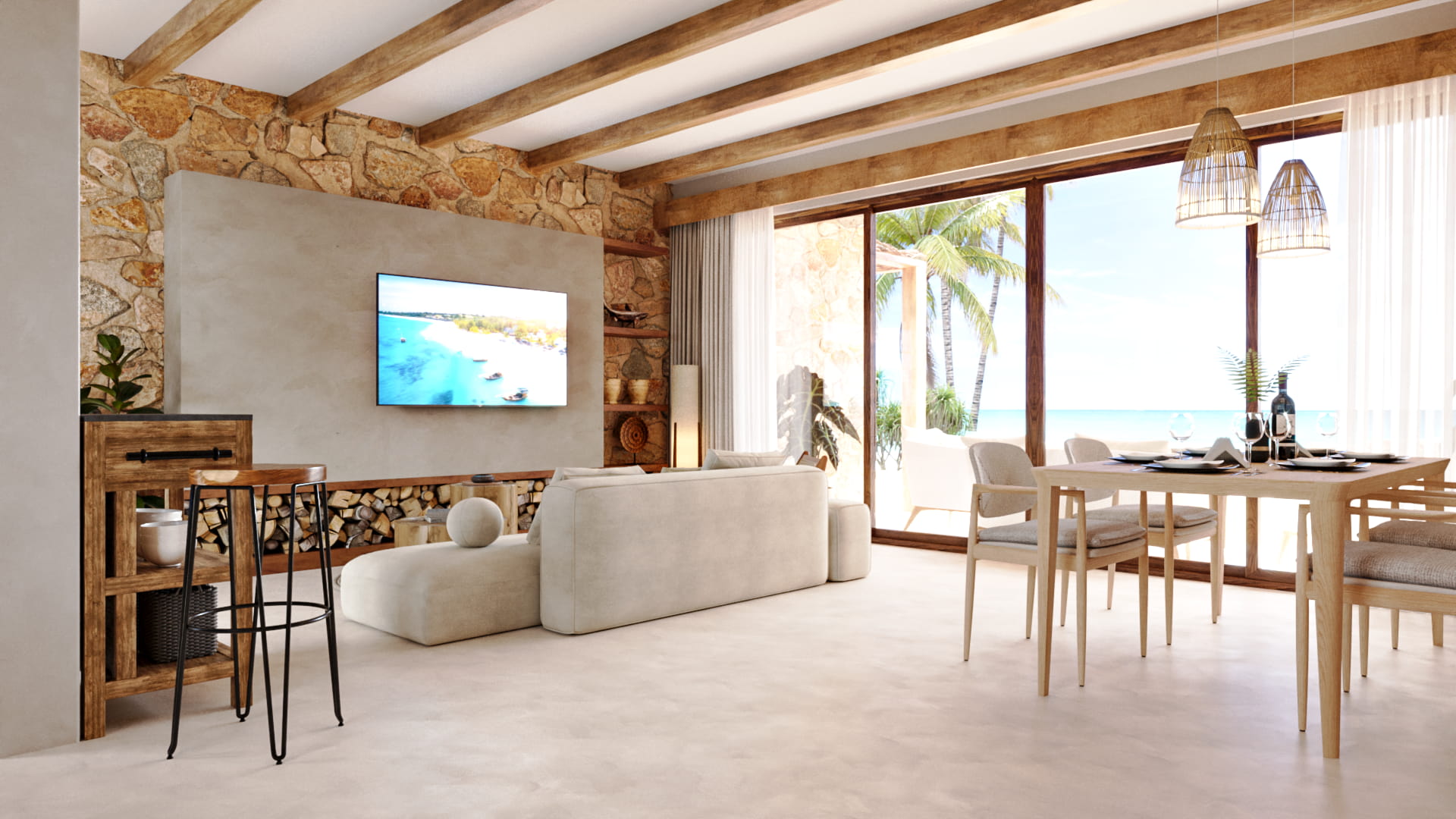
Mastering Realism: How Light & Texture Drive 3D Photorealistic Rendering
In the world of 3D photorealistic rendering, the difference between a “computer-generated image” and a “photograph” lies in the details that the human eye often overlooks. At Crazy 3D Rendering, we don’t just create shapes; we simulate the laws of physics.
The two most critical factors in achieving this are Material Texture and Light Settings. Understanding how these two elements dance together is the secret to making a digital space feel like a place you can actually walk into.
1. The Physics of Surface: It’s More Than Just a Color
When we look at a velvet sofa or a polished marble floor, our brains aren’t just seeing color; they are interpreting how light bounces off those surfaces. In professional 3D rendering, we use PBR (Physically Based Rendering) to mimic this.
-
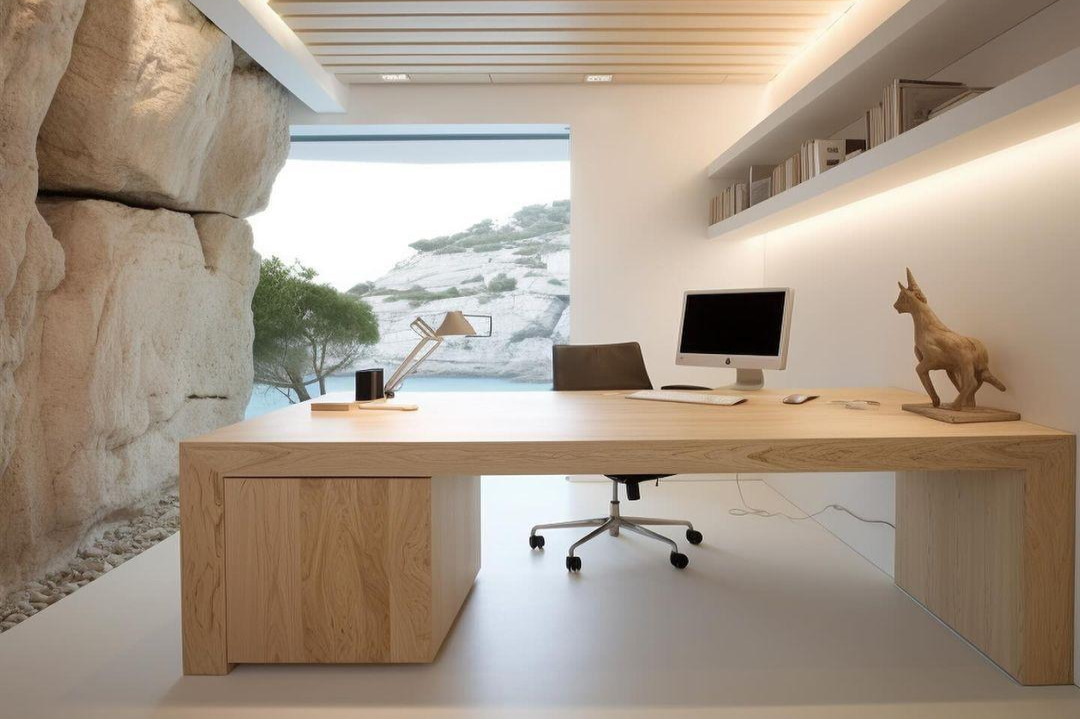
Roughness vs. Glossiness: A “perfect” surface doesn’t exist in reality. To make an object look real, we add micro-imperfections. A kitchen counter might look smooth, but under the right light, it should show subtle “noise” or grain that tells the viewer it has texture.
-
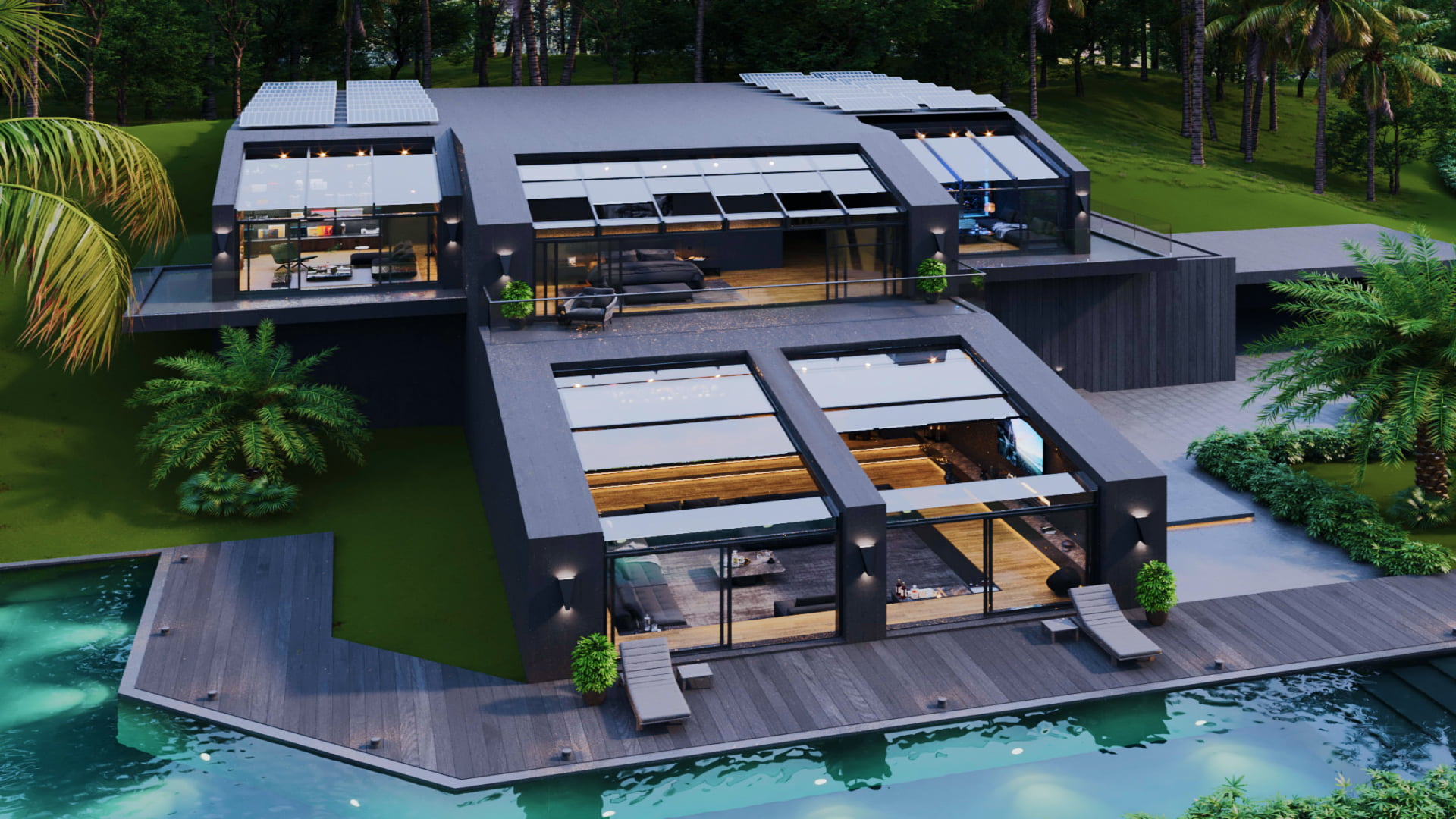
Displacement & Depth: Using high-resolution 4K and 8K texture maps, we create “depth” on flat surfaces. This allows a brick wall to cast tiny shadows on itself, just like it would in the Phuket sun.
2. Light: The “Messenger” of Texture
Light is what reveals the quality of a material. Without the right light settings, even the best textures will look “flat.”
-
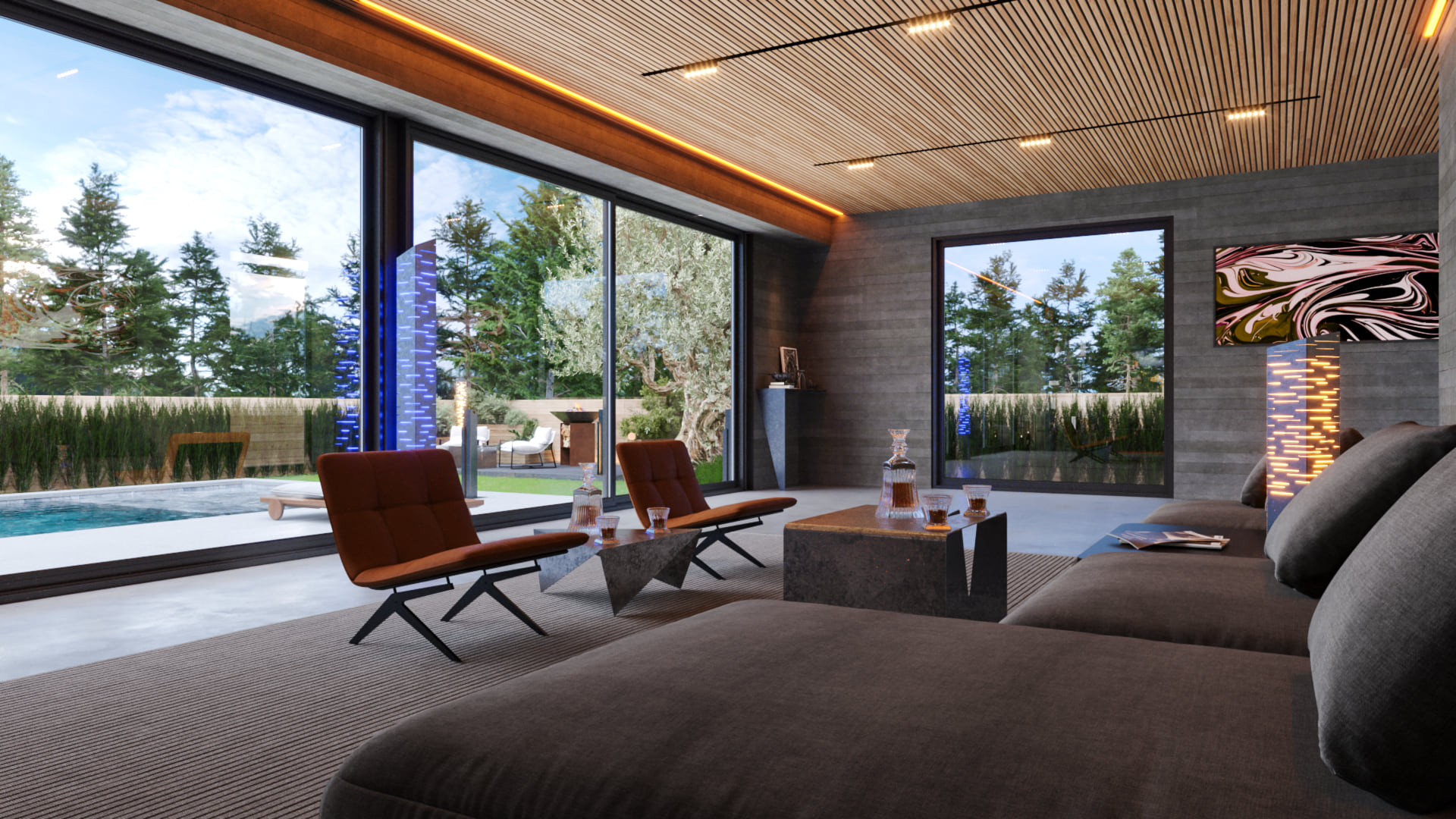
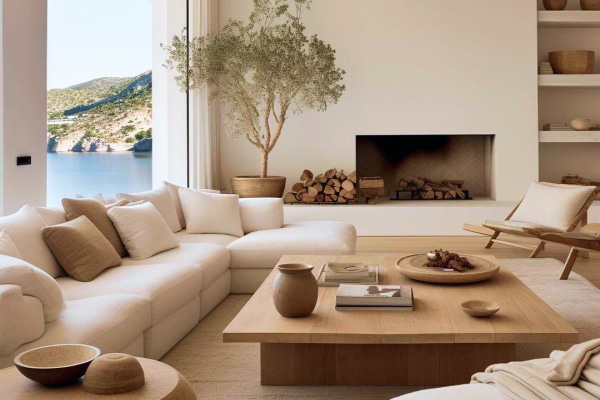
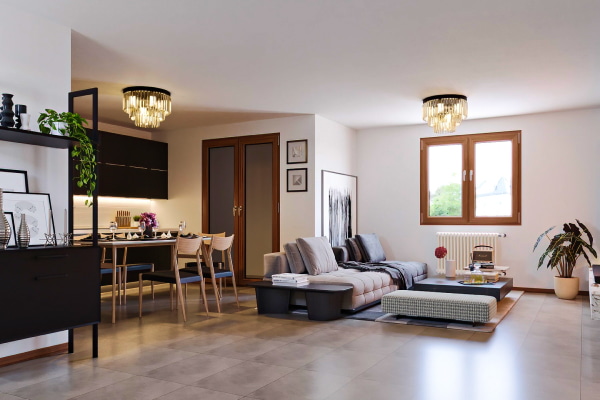
Global Illumination (The Bounce): In the real world, light doesn’t just hit an object and stop; it bounces. If a sunbeam hits a wooden floor, it should cast a warm, orange glow onto the bottom of a white cabinet. This “color bleeding” is a signature of our high-end 3D interior design.
-
The Power of HDRI: We use High Dynamic Range Images (HDRI) to wrap our scenes in real-world light. Whether it’s the soft, blue light of a “Blue Hour” in the Mediterranean or the sharp, bright noon of a tropical resort, the reflections on your windows and metallic fixtures will perfectly match the environment.
3. The Fresnel Effect: Why Perspective Matters
Have you ever noticed that a lake looks transparent when you look straight down, but reflects the sky when you look at it from a distance? This is the Fresnel Effect.
We apply this principle to every material—from glass to leather. By ensuring that reflections change based on the viewing angle, we create an immersive experience that feels “correct” to the human eye, even if the viewer doesn’t know why.
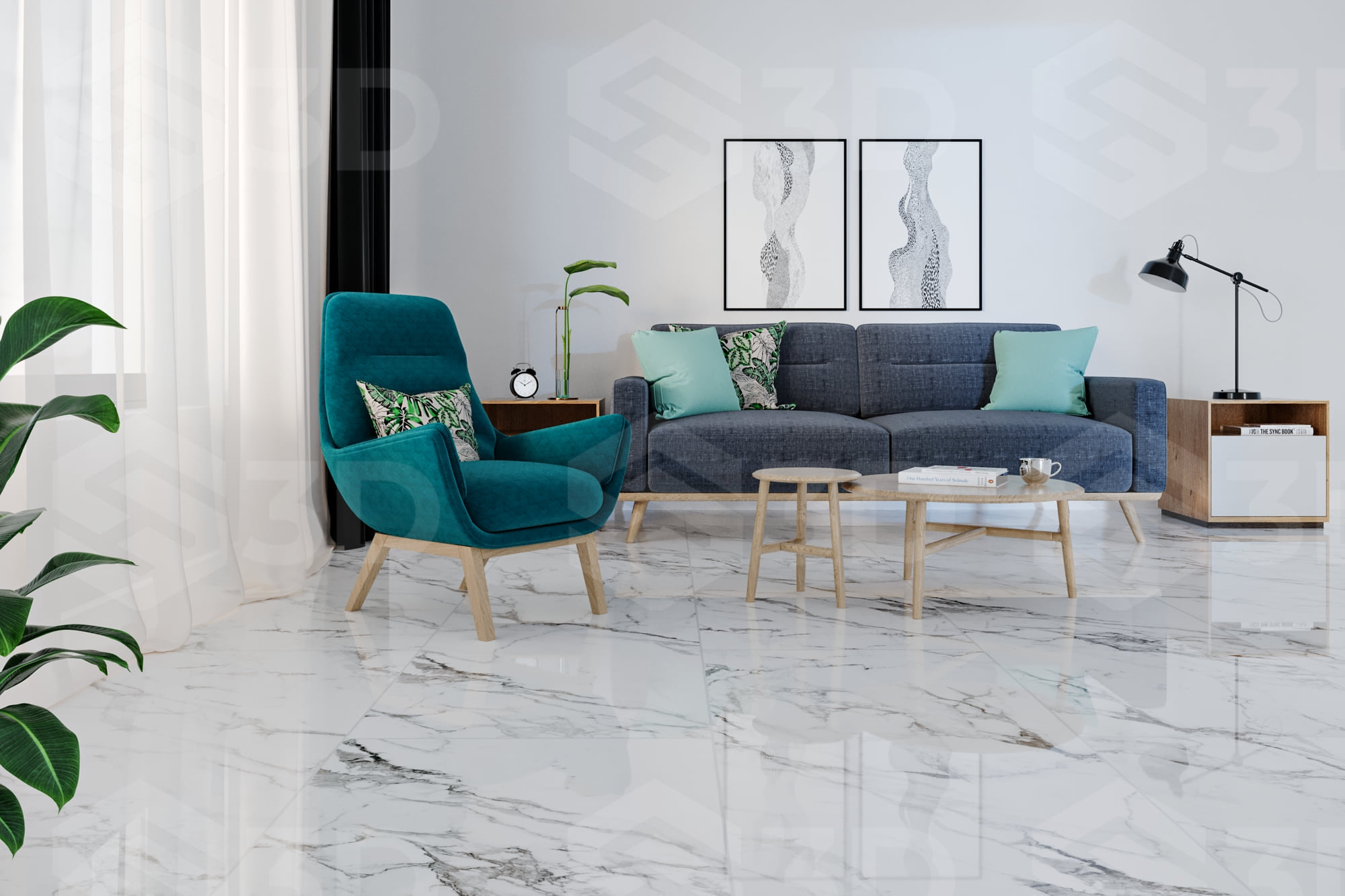
4. Case Study: Bringing Marble to Life
Take our recent Marble Interiors project as an example. Marble is notoriously difficult because it has subsurface scattering—light actually enters the stone and scatters inside.
By precisely balancing the stone’s translucency with our light settings, we were able to capture that “expensive” glow that sets high-end developments apart from the rest. The result isn’t just a picture; it’s a mood.
Why Technical Precision Matters for Your Project
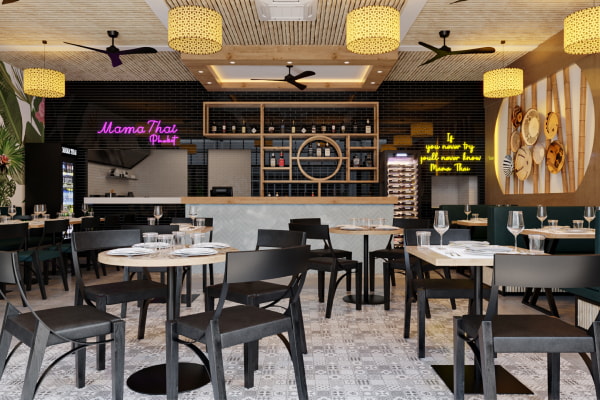
When a potential buyer looks at a villa or a restaurant concept, they need to “feel” the materials. They should be able to imagine the cool touch of the stone or the warmth of the wood. At Crazy 3D Rendering, we bridge the gap between imagination and reality through technical mastery of light and texture.
Are you ready to see your project in a new light?